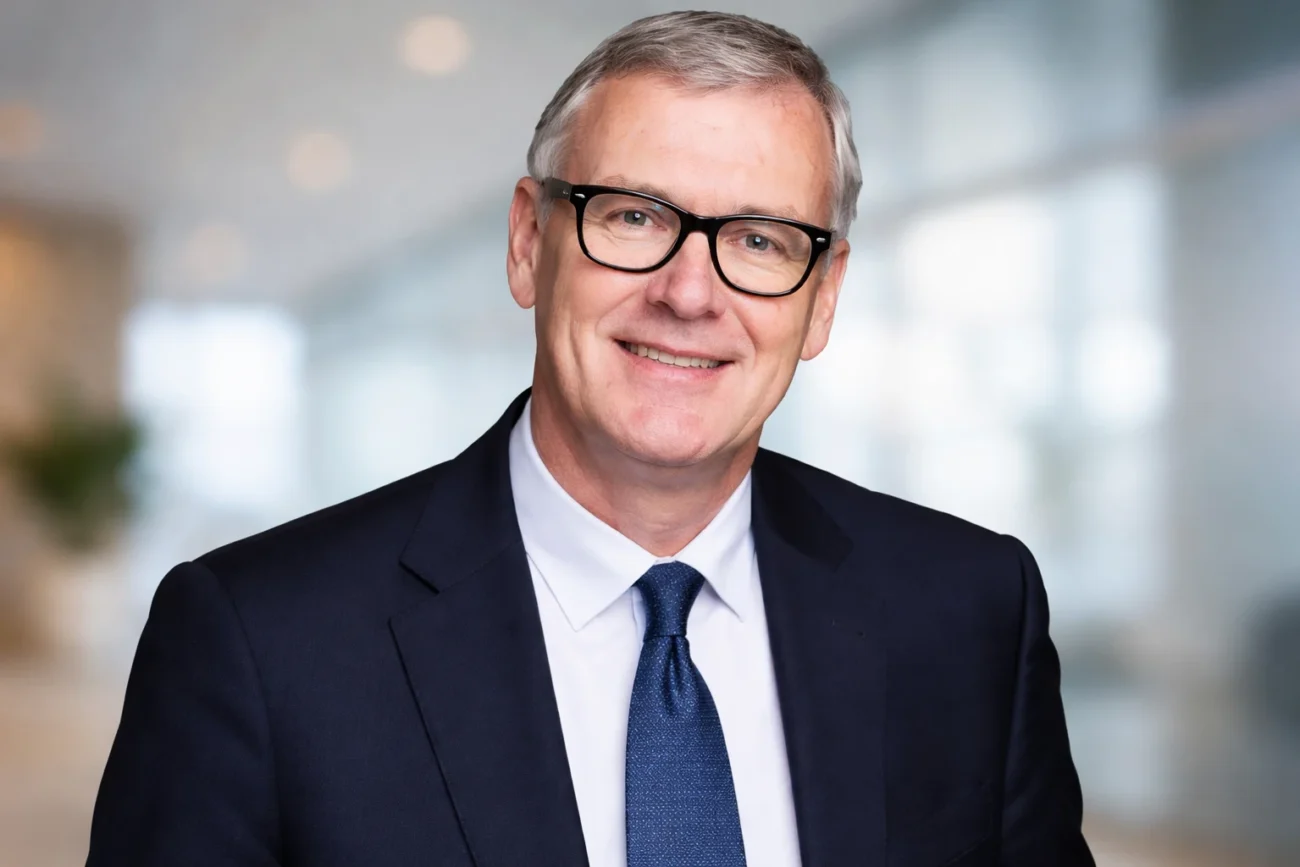
Nigel Sharrocks has spent a career shaping industries that most people experience without ever seeing the people behind them. His work has helped determine which films reach British cinemas, how billions in advertising are allocated, and how audiences are measured in an era when “watching television” no longer means sitting in front of a single screen. Yet for all that influence, he remains a largely private figure—respected inside boardrooms and industry circles, but rarely the subject of public attention.
That contrast is what makes his story compelling. Sharrocks belongs to a class of executives whose impact is structural rather than visible. He has been at the center of major shifts in advertising, film distribution, and media measurement, often stepping into roles that require trust, restraint, and long-term thinking rather than personal spotlight. To understand him is to understand how modern media works behind the scenes.
Early Life and Background
Public information about Nigel Sharrocks’ early life is limited, and that in itself says something about his trajectory. Unlike many public figures, he has not built a persona around personal storytelling, and reliable records of his childhood, family background, and early influences are sparse. What is confirmed through corporate filings is that he was born in August 1956 in the United Kingdom, placing his formative years in a period of significant economic and cultural change.
Growing up in post-war Britain meant exposure to a media environment that was still dominated by traditional broadcasting and print. Commercial television had taken hold, but the advertising and media industries were far less complex than they would become by the time Sharrocks entered them. While there is no detailed public record of his schooling or university education, his later career suggests a grounding in business, communication, or marketing disciplines that were beginning to professionalize in the 1970s and 1980s.
What’s striking is how little of his later success depends on a publicly documented origin story. Many executives of his generation advanced through a combination of apprenticeship, commercial instinct, and industry relationships rather than through high-profile academic credentials. Sharrocks appears to fit that pattern, rising through the ranks in a way that reflects the culture of British advertising at the time.
Entering Advertising and Building a Reputation
Sharrocks’ professional life becomes clearer once he enters the advertising world. He held a senior role as Managing Director at Grey Advertising, one of the established agency networks operating in the UK. That position placed him inside a competitive and evolving market where agencies were beginning to rethink how they structured their services.
During the late 1980s and early 1990s, the advertising industry was undergoing a structural shift. Media planning and buying—once treated as part of broader agency services—were becoming more specialized and data-driven. Clients were demanding greater accountability for how their budgets were spent, and agencies were reorganizing themselves to meet those expectations.
It was in this context that Sharrocks became involved in the creation of MediaCom. He is widely credited with helping launch the company in the early 1990s and later serving as its chairman. Some corporate biographies describe him as the founder of MediaCom Group Limited, while others emphasize his role in its early leadership. The exact phrasing varies, but the central point holds: he was there at the beginning of a business that would grow into one of the world’s largest media agency networks.
MediaCom’s rise reflected a broader change in the industry. Media agencies were no longer just intermediaries; they were becoming central to strategy, using data and scale to negotiate better deals and deliver measurable outcomes. Sharrocks’ involvement in that shift helped establish his reputation as someone who understood both the commercial and operational sides of media.
MediaCom and the Changing Shape of Adland
The significance of MediaCom in Sharrocks’ career cannot be overstated. The company became part of WPP, one of the largest advertising and marketing services groups in the world, and played a major role in redefining how agencies operated. For Sharrocks, this was not just a business success but a defining moment that positioned him within the top tier of media executives.
What made MediaCom different was its focus on media as a discipline in its own right. Instead of treating media buying as a support function, it became a central offering, supported by research, analytics, and strategic planning. This approach aligned with the growing complexity of media consumption, as audiences fragmented across channels and platforms.
Sharrocks’ leadership during this period helped shape the company’s early direction. While he was not the only figure involved in its growth, his role in launching and guiding the business contributed to its eventual scale and influence. It also set the stage for his later moves into other parts of the media ecosystem.
Transition to Film: Warner Bros. Pictures UK
In 1999, Sharrocks made a move that surprised some observers. He joined Warner Bros. as Managing Director of Warner Bros. Pictures UK, shifting from advertising into film distribution. The move made sense, though, given his experience in media and his understanding of audiences and marketing.
At Warner Bros., Sharrocks was responsible for overseeing the UK release of films during a period of significant commercial success for the studio. Official records indicate that he oversaw more than 150 film releases, including major franchises such as Harry Potter and The Matrix. These were not just popular films; they were cultural events that drove box office revenue and shaped the global film industry.
His role involved more than simply scheduling releases. Film distribution requires coordination across marketing, exhibition, and audience engagement, all within a competitive marketplace. Sharrocks’ background in advertising likely gave him an advantage in positioning films and maximizing their commercial impact.
This period of his career demonstrated his ability to operate in different parts of the media business. Moving from agency work to studio distribution is not a common path, and it required a different set of skills. That he succeeded in both environments reinforced his reputation as a versatile and effective executive.
Aegis Media and Global Leadership
After his time at Warner Bros., Sharrocks returned to the agency side of the industry, joining Aegis in 2004. Aegis was a major player in media and marketing services, and his arrival marked the beginning of another significant chapter in his career.
He eventually became Chief Executive of Aegis Media Global Brands, overseeing networks such as Carat, Vizeum, and Posterscope. These brands operated across multiple markets and handled substantial advertising budgets for international clients. The role required not only commercial acumen but also the ability to manage complex global operations.
This was also a period of consolidation and change in the industry. Digital media was beginning to disrupt traditional models, and agencies were adapting to new technologies and consumer behaviors. Sharrocks’ leadership placed him at the center of these developments, as Aegis worked to remain competitive in a rapidly shifting environment.
In 2012, Aegis was acquired by Dentsu in a deal valued at more than $3 billion. Sharrocks was part of the executive leadership during this transaction, which brought together Japanese and European media expertise in a single organization. The acquisition was one of the major deals of its time and underscored the global nature of the industry.
Moving into Chairmanships and Governance
Following his executive roles, Sharrocks transitioned into a series of chairmanships and non-executive positions. This shift is common for senior figures with extensive experience, but in his case, the organizations he joined highlight his continued influence.
In 2013, he became non-executive chairman of Digital Cinema Media (DCM), a company that specializes in cinema advertising in the UK. The role allowed him to combine his experience in film and advertising, helping the company navigate a market where cinema competes with other forms of media for advertising spend.
The same year, he was appointed chairman of Barb, the UK’s television audience measurement body. Barb plays a critical role in the media ecosystem, providing data that underpins advertising decisions and programming strategies. The position requires a high degree of trust, as Barb’s data must be accepted by broadcasters, advertisers, and agencies alike.
Sharrocks’ appointment to Barb signaled his standing in the industry. He was seen as someone capable of balancing competing interests and maintaining the integrity of a system that affects billions of pounds in spending. His continued involvement in the organization suggests that he has successfully fulfilled that role over time.
Board Roles and Industry Influence
Beyond Barb and DCM, Sharrocks has held positions with several other companies and organizations. He has served as chairman of Silver Bullet Data Services Group plc, a company focused on data-driven marketing solutions. He is also associated with Local Planet, an international network of independent media agencies.
These roles reflect the changing priorities of the media industry. Data, measurement, and independence have become central themes, and Sharrocks’ involvement in these areas indicates where he sees the future of the business. His experience allows him to provide strategic guidance rather than day-to-day management, helping companies navigate complex challenges.
What’s interesting is how consistent his career has been in this regard. Whether in advertising, film, or data, he has gravitated toward positions that influence how the industry operates at a structural level. That consistency helps explain why he continues to be sought after for leadership roles.
Personal Life and Privacy
Compared with his professional life, Sharrocks’ personal life is largely out of the public eye. There is no widely available, verified information about his marital status, children, or close family relationships. This level of privacy is unusual in an era when many executives maintain public profiles, but it aligns with his overall approach to visibility.
The absence of detailed personal information does not mean there is anything unusual about his private life. It simply reflects a choice to keep that part of his life separate from his professional identity. For readers seeking insight into his personality, the available evidence comes primarily from his work and public statements.
Colleagues and industry observers tend to describe him in terms of professionalism, judgment, and reliability. These qualities are consistent with the types of roles he has held, where discretion and trust are often more important than public charisma.
Financial Standing and Net Worth
There is no publicly verified figure for Nigel Sharrocks’ net worth. As a senior executive and board member, he has likely earned substantial income through salaries, bonuses, and shareholdings over the course of his career. However, estimates that appear online should be treated with caution, as they are rarely backed by reliable data.
His financial standing is better understood through the positions he has held. Leading major organizations and serving on boards typically involves significant compensation, but the exact figures depend on contracts and company performance. Without access to those details, any specific number would be speculative.
What can be said with confidence is that Sharrocks has operated at the highest levels of the media industry for decades. That alone suggests a level of financial success consistent with his roles, even if the exact amount remains private.
Public Image and Industry Reputation
Nigel Sharrocks’ public image is defined less by visibility and more by credibility. He is not a frequent presence in mainstream media, and he does not cultivate a personal brand in the way some executives do. Instead, his reputation is built on the organizations he has led and the trust placed in him by peers.
Within the industry, he is regarded as a steady and experienced figure. His ability to move between different sectors—advertising, film, and data—has given him a broad perspective that is valuable in strategic roles. He is often associated with governance and oversight, areas that require careful judgment and an understanding of competing interests.
That reputation has helped him remain relevant even as the industry has changed. While new technologies and business models have emerged, the need for experienced leadership has not diminished. Sharrocks represents a continuity that many organizations value.
Where Nigel Sharrocks Is Now
As of recent public records, Sharrocks continues to serve as chairman of Barb and holds positions with companies such as Silver Bullet Data Services Group and Local Planet. His work remains focused on areas that are central to the future of media, including measurement, data, and advertising effectiveness.
The challenges facing these sectors are significant. Audiences are fragmented across platforms, and traditional metrics are under pressure. Organizations like Barb are working to adapt, integrating new data sources and refining their methodologies to remain relevant.
Sharrocks’ role in these efforts highlights his ongoing importance. He is not simply a figure from the past; he is actively involved in shaping how the industry responds to current challenges. That continued engagement is a testament to his experience and the trust he commands.
Frequently Asked Questions
Who is Nigel Sharrocks?
Nigel Sharrocks is a British media and advertising executive known for his leadership roles in companies such as MediaCom, Warner Bros. Pictures UK, and Aegis Media Global Brands. He later became a prominent chairman of organizations including Barb and Digital Cinema Media.
What is Nigel Sharrocks known for?
He is best known for helping launch MediaCom, overseeing film distribution at Warner Bros. in the UK, and serving in senior leadership roles within Aegis. His later work as chairman of Barb has also made him a key figure in audience measurement.
Is Nigel Sharrocks still working?
Yes, he remains active in the media industry through chairmanships and board roles. He continues to be involved with Barb and other organizations focused on data and advertising.
Did Nigel Sharrocks work at Warner Bros.?
Yes, he joined Warner Bros. in 1999 as Managing Director of Warner Bros. Pictures UK. During his tenure, he oversaw the release of numerous major films, including entries in the Harry Potter and Matrix franchises.
What is Nigel Sharrocks’ net worth?
There is no confirmed public figure for his net worth. While he has likely accumulated significant wealth through his career, any specific estimates should be treated as unverified.
Is there information about his family?
Publicly available information about his personal life is limited. Details about his family, marriage, or children have not been widely disclosed in reliable sources.
Conclusion
Nigel Sharrocks’ career offers a clear view of how influence works in the media industry. He has operated at the center of major changes without becoming a public figure in the usual sense. That balance has allowed him to move between roles and sectors, bringing experience and judgment to each new challenge.
His story is less about individual moments and more about sustained contribution. From advertising to film to data, he has been part of the systems that shape how media is created, distributed, and measured. That kind of impact is not always visible, but it is deeply felt across the industry.
There is also a sense of continuity in his work. Even as technology and business models evolve, the need for trusted leadership remains constant. Sharrocks has built a career on providing that stability, and his continued involvement suggests that his influence is far from over.
For readers, his biography is a reminder that the most important figures in any industry are not always the most visible. Sometimes they are the ones ensuring that everything else works as it should, quietly shaping the structures that others depend on.
